Tatry mountain resorts, a. s. (TMR) has closed the 2025/26 winter season with very strong results. The company’s Slovak resorts welcomed the highest number of skiers in the past four years, its international destinations continued their positive trajectory, and several resorts either set or matched historical records. Overall, the season confirmed a growing interest in mountain tourism and skiing across TMR destinations throughout Europe.
Slovak resorts: record visitor numbers and 150 skiing days in Jasná
During the 2025/26 season, Jasná delivered an impressive 150 skiing days, running from November through to May*. Compared with the previous season, the resort recorded a 13% increase in visitor numbers, achieving the best results in its history. The Vysoké Tatry mountain resort also enjoyed a successful winter, reaching its highest attendance levels in the past four years, although the number of non-skiing visitors remained broadly stable year on year.
*(The season lasted 156 days in total, but adverse weather conditions forced temporary closures on several days.)
Continued growth in Polish visitor numbers was one of the most notable trends of the winter and became a key driver of performance. The top five nationalities visiting Slovak resorts were Slovaks, Poles, Czechs, Hungarians and Romanians. The season’s fastest-growing source markets came from further afield — Estonian visitors to Jasná increased by 55% year on year, while Lithuanian visitors to the High Tatras rose by 35%.
In the accommodation segment, overnight stays across the mountain resorts increased by 1%. The strongest contribution came from guests from Poland and Romania, particularly in Jasná.
“The 2025/26 season confirmed that our long-term investments in quality, snowmaking infrastructure and service development are delivering results. We are delighted not only with the record visitor numbers in Slovakia, but also with the fact that our international resorts continue to validate our strategy and investments while writing their own success stories, including new records. Growing interest from international markets — not only Poland, but also the Baltic states and Hungary — is an encouraging sign that our resorts and also the Gopass ecosystem are increasingly appealing to guests beyond our traditional markets,” said Igor Rattaj, Chairman of the Board of Directors of TMR, a. s.
Top moments of the season
- 28 November 2025 – the winter season opened in Jasná
- On 3 March 2026, Lomnické sedlo (saddle) reopened after 669 days, allowing skiers to enjoy their turns on entirely natural snow. The piste had last been open on 1 May 2024.
- The Tatra Temple of Ice recorded a record year, attracting 6% more visitors than in the previous season. The latest edition paid tribute to two Popes — John Paul II and Francis — through an ice masterpiece inspired by the Basilica of St John Lateran in Rome.
- On 4 January, a STOP SALE was implemented, with online ticket sales suspended as resorts were approaching full capacity.
- December continues to grow in strategic importance each year, particularly in the period leading up to the highly important holiday week.
- Hrebienok welcomed twice as many visitors from Hungary compared with the previous season.

TMR’s international resorts: strong performances across Europe, while weather impacts Mölltal
TMR’s international resorts delivered very good results during the 2025/26 season, with several destinations either setting or matching previous records.
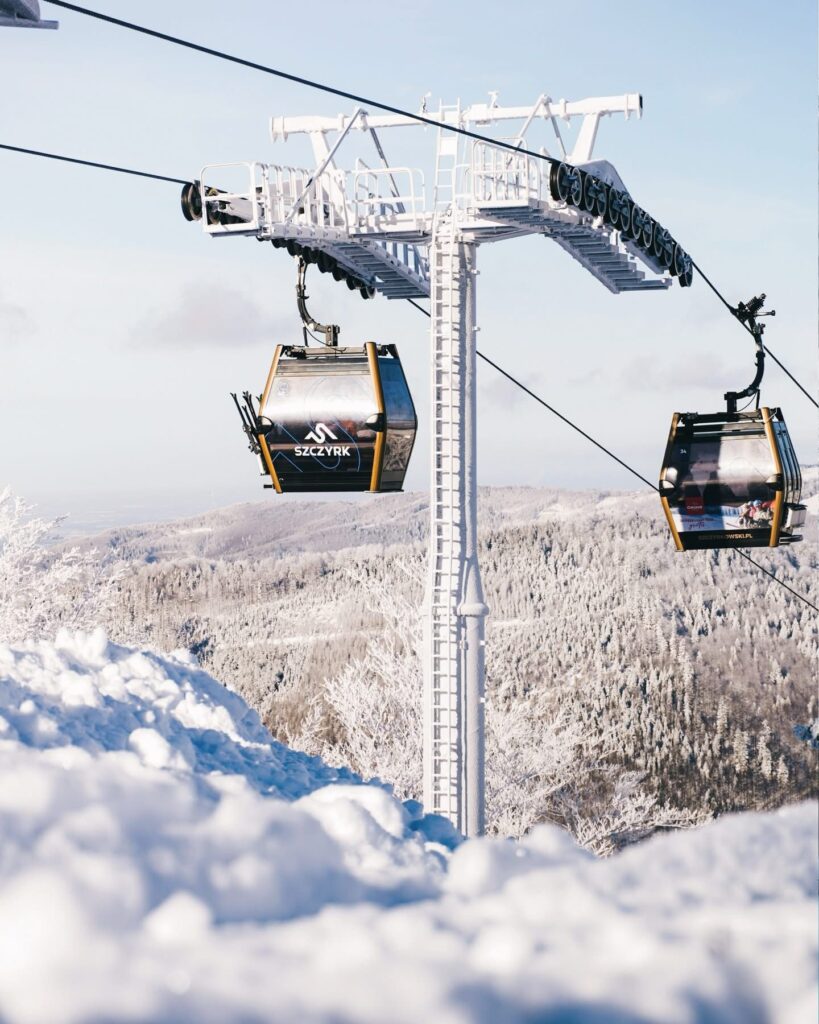
Szczyrk Mountain Resort in Poland enjoyed what was likely its best winter since joining the TMR portfolio. The resort successfully navigated a challenging December — despite difficult weather conditions at the beginning of the month, investments in snowmaking proved crucial in maintaining operations. The ski season continued until mid-March.
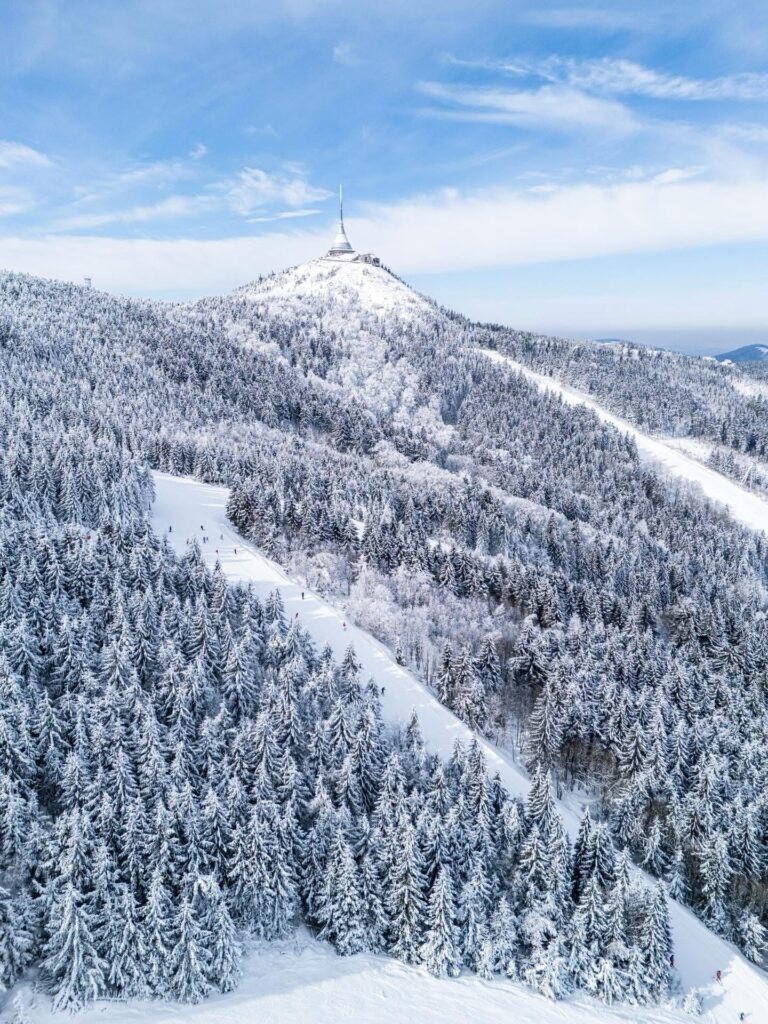
Ještěd recorded one of the strongest winter seasons in its history. For the first time since TMR began operating the resort, the ski season started as early as late November, contributing to record visitor numbers.
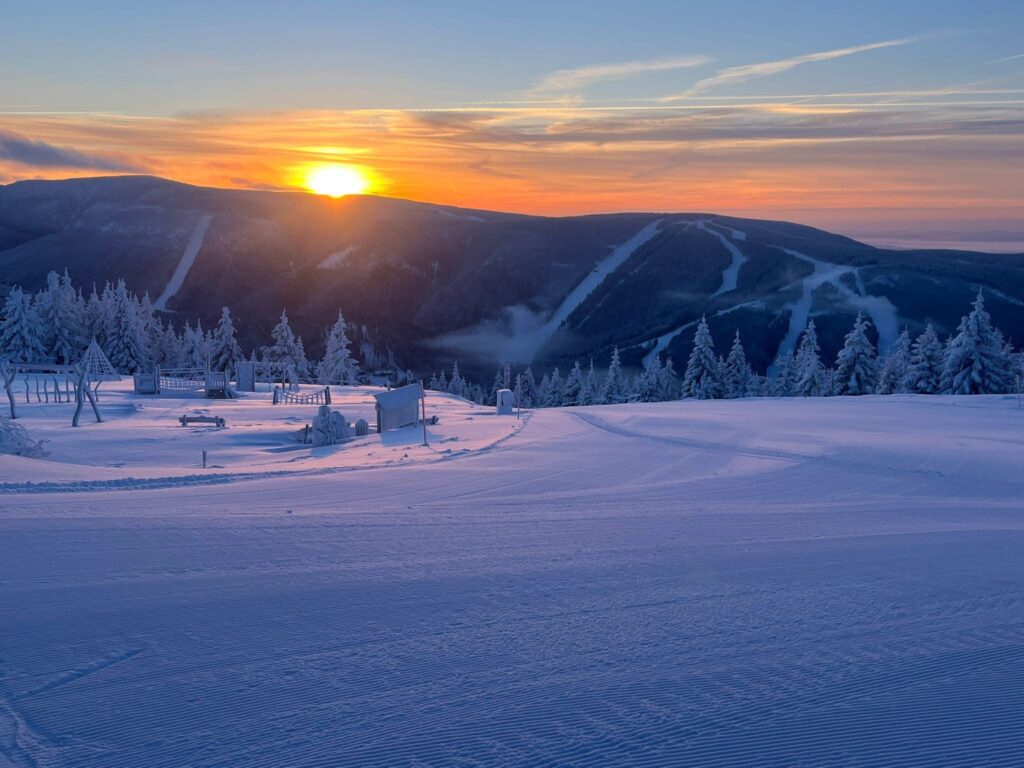
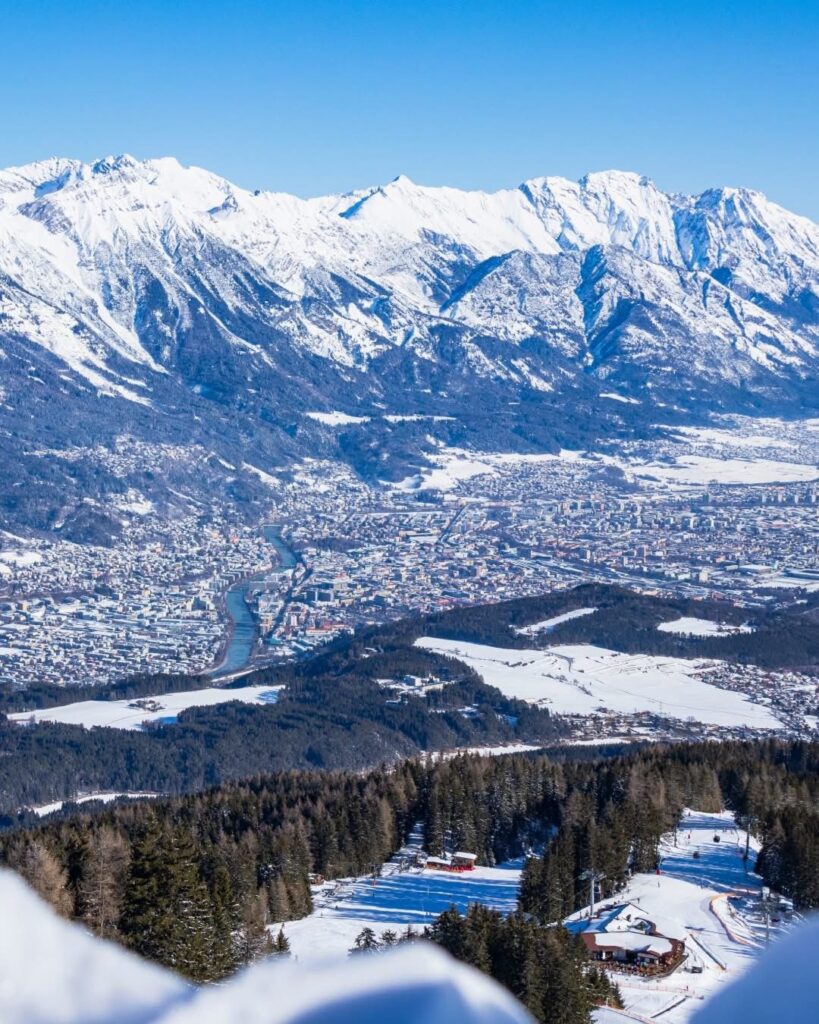
Špindlerův Mlýn launched its season in November and continued through the Easter holidays. The overall results were close to those achieved in the previous year. March proved more challenging, however, with lower visitor numbers despite excellent snow conditions.Innsbruck Muttereralm built on the exceptional success of the previous season, which had been considered an all-time record. Matching such performance is an achievement in itself. Mölltaler Gletscher was unable to match last year’s results. At the turn of February and March, the resort was forced to close for almost two weeks due to adverse weather conditions — the longest weather-related shutdown in the resort’s history. Nevertheless, thanks to outstanding spring snow conditions, the glacier was heavily used by national and club teams from across Europe in the final part of the season.